
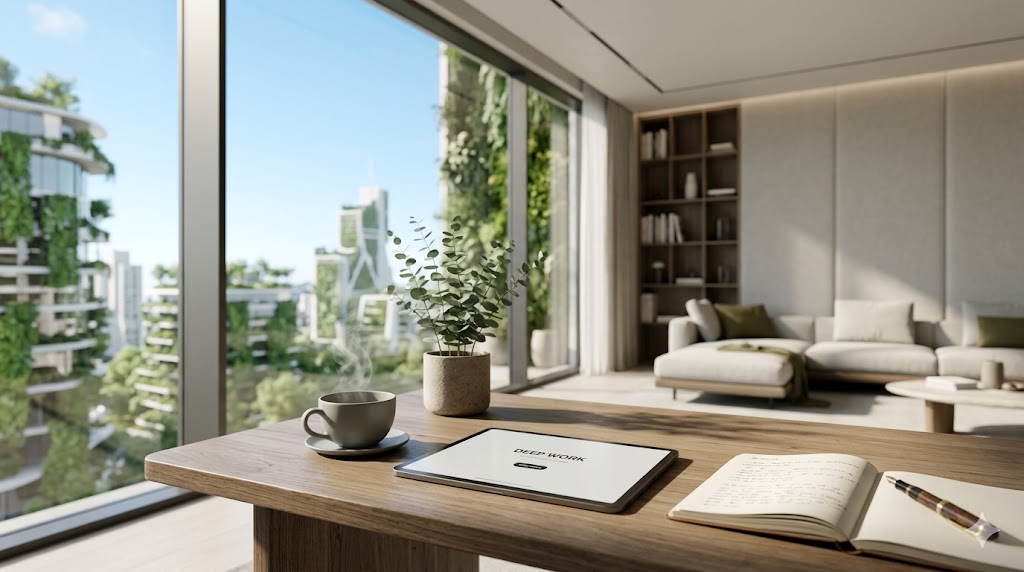
As we navigate the midpoint of this decade, the global ethos has shifted from a frantic pursuit of productivity to a more rhythmic, intentional cadence known as Slow Living. The latest 2026 data from Market.us reveals that our collective focus has pivoted sharply toward mental preservation, recognizing that the most valuable currency in a hyper-connected world is a calm and focused mind. This shift is not merely a trend but a necessary evolution in how we inhabit our daily lives, moving away from the “always-on” urgency that defined the previous years and embracing a lifestyle where presence is the ultimate luxury.
The recent statistics underscore a profound transition in global health priorities, showing a significant increase in the adoption of preventative mental wellness strategies. We are seeing a 2026 landscape where individuals no longer wait for burnout to seek balance; instead, they are curating their environments and schedules to mitigate stress before it takes root. This proactive stance is reflected in the growing demand for holistic spaces and services that prioritize psychological longevity over short-term gains, signaling a more mature and refined approach to our inner well-being.
Central to this movement is the practice of digital detoxing, which has evolved from an occasional retreat into a daily ritual for the modern individual. As 2026 brings even more integrated technology into our homes, the choice to disconnect has become a status symbol of self-mastery. By setting firm boundaries with our devices, we reclaim our cognitive sovereignty, allowing our brains to return to a state of “deep work” and creative daydreaming that was nearly lost in the noise of the early 2020s.
Mindful Modernity invites us to reconsider the architecture of our days, emphasizing quality over quantity in every interaction. The 2026 data suggests that those who practice “micro-mindfulness”—short, intentional pauses throughout the day—report significantly higher levels of life satisfaction. Whether it is the focused ritual of brewing a morning tea or the silent observation of the changing light in a room, these moments of stillness serve as anchors, preventing us from being swept away by the currents of external demands.
In the realm of leisure, we are witnessing a magnificent resurgence of analog hobbies that ground us in the physical world. Pottery, traditional woodworking, and hand-written correspondence have become essential antidotes to the ethereal nature of our digital lives. These tactile experiences engage our senses and provide a sense of tangible accomplishment, reinforcing the human need to create and manipulate the physical world, which statistics show is a key driver in reducing anxiety and fostering a sense of purpose.
Sustainable minimalism has become the cornerstone of the refined home in 2026, where the philosophy of “less but better” extends beyond aesthetics into the very fiber of our mental health. By stripping away the non-essential, we reduce the decision fatigue that often plagues a consumerist society. A minimalist environment creates a visual quietness that allows the mind to rest, proving that our external surroundings are a direct reflection of our internal state and that a curated home leads to a more curated mind.
The 2026 holistic wellness paradigm views the body and mind as an inseparable loop, where nutrition and physical movement are treated as foundational mental health tools. Data indicates a shift toward “functional longevity,” where the focus is on eating for cognitive clarity and moving for emotional regulation. This refined approach moves away from punishing fitness regimes and toward intuitive movement, such as somatic stretching or slow-paced hiking, which nourish the nervous system rather than depleting it.
Social connectivity in this era of Mindful Modernity has moved past the superficiality of social media likes toward the cultivation of “thick” communities. The lifestyle trends of 2026 emphasize deep, face-to-face intimacy and the importance of shared physical space. By investing in smaller, more meaningful social circles, individuals are combatting the isolation of the digital age, proving that true mental resilience is often a communal effort built on trust, vulnerability, and real-world presence.
Our workspaces have undergone a similar transformation, evolving into “soft offices” that prioritize the nervous system’s health. In 2026, the integration of biophilic design, natural lighting, and acoustic softening is standard practice for those seeking to maintain a high-functioning yet calm professional life. This evolution acknowledges that we cannot produce our best work in environments that trigger a fight-or-flight response, making the design of our professional spaces a critical component of our overall mental health strategy.
Nature therapy has transitioned from an alternative practice to a non-negotiable pillar of the modern week. The concept of “green time” versus “screen time” is now backed by robust 2026 statistics that highlight the physiological benefits of being in nature. Whether through urban forest bathing or maintaining a sophisticated home garden, the act of connecting with the natural world provides a vital reset for our circadian rhythms and a profound sense of perspective that only the natural world can offer.
As we redefine self-care, we move away from commercialized indulgences and toward the radical act of setting boundaries. True self-care in 2026 is recognized as the ability to say “no” to the performative and the draining in favor of activities that truly replenish our energy. This elegant form of self-discipline is what allows us to show up fully for our responsibilities and our loved ones, transforming self-care from a luxury into a refined necessity for a balanced life.
Looking ahead, the 2026 outlook for global mental health is one of cautious optimism as we continue to integrate these principles of slow living into the mainstream. By valuing our mental well-being as the foundation of a life well-lived, we are not just surviving the complexities of the modern world but thriving within them. This era of Mindful Modernity teaches us that the greatest achievement is not found in what we accumulate, but in the peace we maintain and the clarity with which we view our place in the world.