
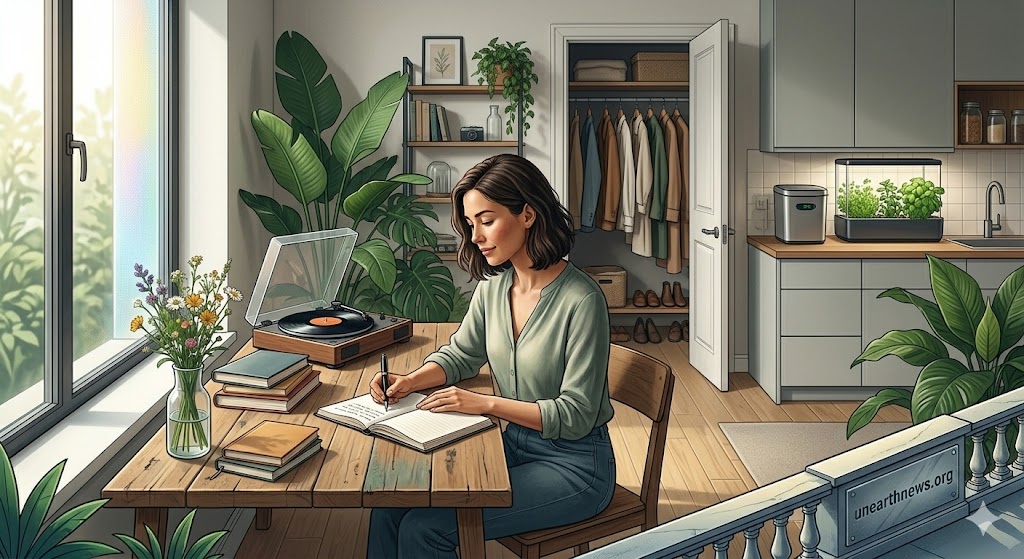
As we move deeper into 2026, the global consciousness has shifted from a frantic race for more to a deliberate pursuit of “better.” This transition into mindful modernity marks a significant departure from the superficial sustainability of the past decade, replacing it with a profound commitment to intentionality. Today’s sophisticated consumer is no longer satisfied with merely avoiding harm; they are seeking lifestyles that actively regenerate their environments and their spirits. This evolution in living is characterized by a seamless blend of high-tech efficiency and low-tech presence, creating a domestic landscape that prioritizes peace over productivity.
The concept of “Slow Living” has graduated from a niche aesthetic to a foundational pillar of modern existence. In 2026, this manifests as a rejection of the “always-on” culture, replaced by structured periods of digital detoxing. We are seeing a rise in “analog sanctuaries” within the home—dedicated spaces where smart devices are prohibited, and the tactile nature of physical books, vinyl records, and hand-written journals takes center stage. These spaces serve as a necessary counterbalance to our digital integrations, providing the cognitive breathing room required to maintain mental clarity in an increasingly automated world.
Sustainable minimalism has evolved beyond the sparse, clinical interiors of the early 2020s into a warmer, more textural philosophy known as “biophilic soul.” This trend emphasizes the use of living materials, such as mycelium-based furniture and algae-pigmented textiles, which bring the restorative power of the outdoors inside. The focus is on longevity and the “patina of use,” where items are cherished for their history and their ability to be repaired rather than replaced. Every object in the home is curated with a discerning eye for its ecological footprint and its contribution to the household’s overall sense of tranquility.
The wardrobe of 2026 has become a testament to the circular economy, with the “repair-as-status” movement gaining significant momentum. High-end fashion is no longer defined by newness, but by the visible mending and bespoke alterations that tell a story of a life well-lived. This shift toward “archival dressing” encourages individuals to invest in heritage-quality pieces that are designed to evolve with the wearer. By prioritizing natural fibers and regenerative textiles, the modern wardrobe serves as a personal statement of environmental stewardship, proving that elegance and ethics are inextricably linked.
Culinary habits have also undergone a radical transformation, moving toward a “soil-first” approach to nutrition. Holistic wellness in 2026 is deeply rooted in the health of the earth, with a focus on regenerative agriculture and hyper-local provenance. The modern kitchen is equipped with micro-composters and indoor herb gardens, turning the act of meal preparation into a meditative ritual. This connection to the source of our food fosters a deeper appreciation for the seasons and a more disciplined approach to waste, ensuring that every ingredient is utilized to its fullest potential.
The revival of analog hobbies has become a vital component of the 2026 lifestyle, serving as a gateway to “flow state” experiences. Whether it is the rhythmic nature of ceramic pottery, the patience required for traditional woodworking, or the delicate art of botanical illustration, these pursuits provide a sense of tangible accomplishment that digital achievements cannot replicate. These hobbies are not merely pastimes; they are essential practices for grounding the self in the physical world, offering a profound sense of purpose and a reprieve from the intangible pressures of the virtual sphere.
Design in 2026 is increasingly focused on the “invisible architecture” of a home—elements that affect our well-being without being seen. This includes advanced air filtration systems that mimic forest air, circadian lighting that aligns with the sun’s natural path, and acoustic dampening using recycled organic fibers. By optimizing the sensory environment, we create homes that act as charging stations for the human nervous system. This holistic approach to living ensures that our private spaces are not just shelters, but active participants in our physical and emotional health.
The concept of the “Library of Things” has revolutionized neighborhood dynamics, fostering a community-centric model of consumption. In this landscape, high-quality tools, camping equipment, and specialized kitchenware are shared among neighbors, reducing the need for individual ownership and the clutter that accompanies it. This sharing economy encourages social cohesion and a collective responsibility for the planet’s resources. It reflects a mature understanding that true luxury lies in access and experience rather than the accumulation of material possessions.
Mindful modernity also extends to our relationship with energy, where “energy aesthetics” has become a key trend. Solar panels are no longer utilitarian eyesores but are integrated into the very fabric of our homes as beautiful, light-reactive shingles or transparent window coatings. Households are becoming micro-power plants, managing their own consumption with an intuitive elegance. This autonomy provides a sense of security and a direct connection to the natural rhythms of the planet, reinforcing the idea that our personal comfort should never come at the expense of global stability.
Wellness in 2026 is no longer a luxury service but a daily integration, often referred to as “quiet luxury for the soul.” This involves the practice of “sensory fasting,” where individuals intentionally limit external stimuli to reconnect with their inner dialogue. Whether through silent retreats, sound baths, or simply dedicated hours of morning stillness, the emphasis is on cultivating a resilient mind. In a world that often demands our attention, the most radical act of self-care is reclaiming the right to be unreachable and undisturbed.
The shift toward zero-waste 2.0 has seen the disappearance of single-use plastics in favor of sophisticated, refillable systems. Luxury brands have embraced this transition, offering exquisite glass and stone vessels that consumers can refill at local boutiques. This “vessel culture” elevates the mundane act of restocking household essentials into an aesthetic experience. By removing the shame associated with waste and replacing it with the pleasure of beautiful, permanent objects, sustainability becomes a seamless and enjoyable part of the refined daily routine.
Ultimately, the lifestyle trends of 2026 point toward a future where we live in harmony with both our technological advancements and our primal needs. The “Mindful Modernity” movement is an invitation to slow down, to look closer, and to choose the path of most significance rather than the path of least resistance. By curating a life of purpose, we not only preserve the environment but also enrich our own experience of being alive. This is the new standard of excellence: a life that is as beautiful in its ethics as it is in its execution.