
As we approach the horizon of 2026, the global shift toward “Slow Living” has moved from a niche subculture to a foundational pillar of modern existence. The frantic pace of the early 2020s has given way to a refined appreciation for the present moment, where wellness is no longer a luxury but a deliberate practice of self-stewardship. This era of mindful modernity demands a new kind of entrepreneurship—one that prioritizes depth over speed and sustainability over fleeting trends. For those looking to curate a business in this landscape, the focus must be on harmonizing our biological needs with the increasingly complex digital world we inhabit.
The sanctuary of the home has evolved into a multi-functional wellness hub, sparking a significant demand for biophilic interior consulting and holistic living environments. In 2026, a successful wellness venture begins with the space we breathe in, integrating air-purifying botanical installations with light-sculpting technology that honors our natural circadian rhythms. This is not merely about aesthetics; it is about engineering a domestic ecosystem that actively reduces cortisol levels and fosters a sense of grounded tranquility. By offering curated “home-healing” kits or consulting services, entrepreneurs can help individuals reclaim their living spaces as bastions of restorative peace.
Sleep has emerged as the ultimate currency of the well-lived life, surpassing traditional fitness as the primary indicator of health. The sophisticated consumer is no longer satisfied with generic sleep aids; they seek bespoke nocturnal rituals. Businesses that offer high-end, sustainable sleep solutions—ranging from weighted eucalyptus fibers to AI-driven soundscapes that mimic the frequency of old-growth forests—are positioned to thrive. This “Sleep Economy” is built on the understanding that true productivity is born from profound rest, making the curation of the perfect evening routine a vital service for the modern professional.
Our relationship with nutrition has undergone a radical transformation, moving toward “functional alchemy” and the celebration of raw, elemental ingredients. The 2026 wellness market sees a decline in synthetic supplements in favor of adaptogenic whole foods and personalized gut-health protocols. Establishing a boutique subscription service that delivers hyper-local, nutrient-dense elixirs or bio-individual meal components allows individuals to nourish their bodies with scientific precision. The goal is to transform the daily act of eating into a ritual of longevity, utilizing ancient wisdom to solve modern physiological stressors.
In a world saturated with digital noise, the most profound luxury is the ability to disconnect. The “Digital Detox” movement has matured into a sophisticated industry centered on analog hobbies and screen-free sanctuaries. Creative ventures that provide tactile experiences—such as high-end pottery workshops, artisanal paper-making, or guided forest bathing retreats—offer a necessary recalibration for the overstimulated mind. These businesses do not just sell a product; they sell the rare gift of undistracted presence, allowing clients to rediscover the joy of manual craftsmanship and the serenity of the natural world.
Fitness in 2026 has transitioned from the high-intensity, “no pain, no gain” ethos to a more nuanced focus on somatic experiencing and mindful movement. The modern athlete is seeking longevity and mobility rather than mere aesthetic results. This shift creates a fertile ground for studios specializing in Low-Impact Functional Training (LIFT) and restorative practices like modern Tai Chi or Pilates. By branding movement as a form of “physical meditation,” entrepreneurs can appeal to a demographic that values the long-term integrity of their skeletal and nervous systems over temporary physical peaks.
The beauty industry is currently undergoing its most significant revolution yet, led by the “Waterless Beauty” movement and zero-waste initiatives. Sophisticated consumers are purging their vanities of plastic-heavy, chemical-laden products in favor of minimalist, solid-state formulations that respect the planet’s resources. Launching a brand that focuses on anhydrous skincare—concentrated balms and powders that require no preservatives—aligns perfectly with the 2026 ethos of sustainable minimalism. This approach proves that high-performance luxury and environmental ethics are no longer mutually exclusive but are, in fact, inextricably linked.
Bio-hacking has moved from the fringes of Silicon Valley into the mainstream home, with a focus on non-invasive longevity tools. Infrared therapy, cold-plunge technology, and wearable metabolic trackers have become standard features of the wellness-conscious household. A business that bridges the gap between complex medical data and actionable lifestyle changes will find a dedicated audience. By offering personalized “Longevity Audits,” experts can guide clients through the maze of modern health technology, ensuring that every intervention is tailored to their unique genetic blueprint and life goals.
The return of the physical diary and the “Analog Archive” marks a rejection of the fleeting nature of social media. In 2026, mental wellness is frequently practiced through the tactile medium of pen and paper, sparking a resurgence in high-end stationery and structured journaling tools. Entrepreneurial opportunities lie in creating guided reflection journals that focus on “Mindful Modernity”—helping users navigate their digital lives while maintaining a firm grip on their inner reality. This trend highlights a collective desire to document a life lived with intention, turning daily thoughts into a curated legacy.
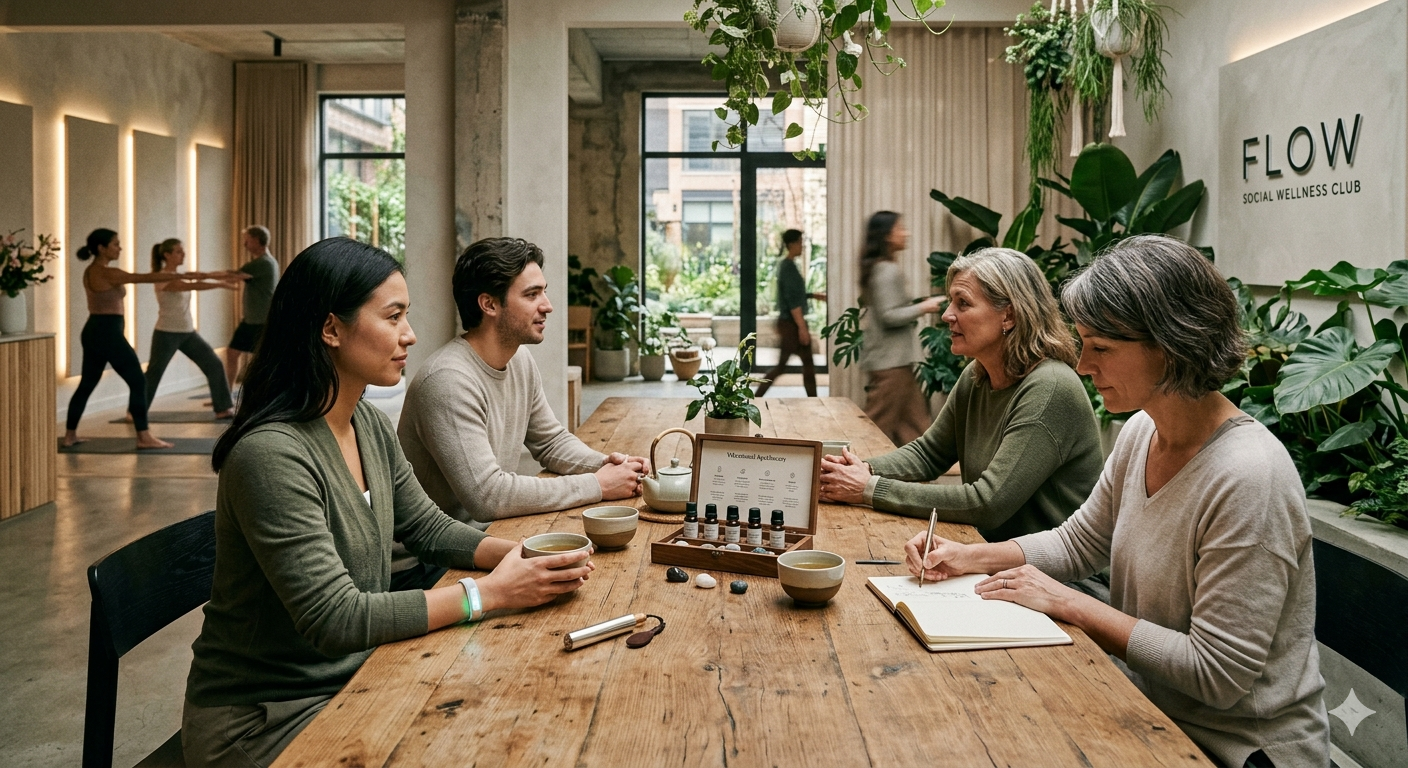
Community-based wellness has become the antidote to the loneliness epidemic of the previous decade. We are seeing a rise in “Social Wellness Clubs”—spaces that replace the traditional bar scene with tea ceremonies, communal bathhouses, and collaborative urban gardens. These businesses foster a sense of belonging through shared health goals and intellectual stimulation. By creating physical spaces that prioritize deep human connection and collective healing, entrepreneurs can build resilient communities that support the mental and emotional well-being of their members in a fragmented world.
Sensory wellness, particularly through the use of functional fragrance and sound healing, has become an essential tool for emotional regulation. The 2026 consumer uses scent and sound to “anchor” their emotional states, utilizing specific frequencies and botanical terpenes to transition between work and rest. A business specializing in “Vibrational Apothecary”—offering curated soundscapes paired with custom-blended essential oils—provides a portable sanctuary for the modern nomad. This holistic approach to the senses allows individuals to maintain a state of equilibrium, regardless of the chaos that may exist in the external world.
Ultimately, the wellness business landscape of 2026 is defined by a commitment to quality, intentionality, and the quiet power of “Slow Living.” It is an invitation to build enterprises that respect the human spirit and the delicate balance of our environment. By focusing on products and services that encourage a more refined and purposeful life, modern entrepreneurs can lead the way toward a future where health is holistic, sustainability is standard, and every action is infused with mindfulness. In this new era, the most successful businesses will be those that help us return to ourselves, providing the tools to live with both elegance and ease.