
The chronic inefficiency characterizing modern healthcare systems, exemplified by a two-hour wait for a ten-minute diagnostic procedure, represents a profound structural deficit in the delivery of medical services. From an economic perspective, this “power imbalance” is not merely a matter of poor scheduling but is a direct consequence of a demand-supply mismatch exacerbated by institutional friction. As diagnostic technology becomes more sophisticated, the capital expenditure required to maintain such equipment necessitates high throughput to ensure a return on investment. However, when the throughput is throttled by administrative bottlenecks or staffing shortages, the resulting deadweight loss is borne primarily by the consumer in the form of time—a non-renewable resource that functions as a hidden tax on the patient and their support network.
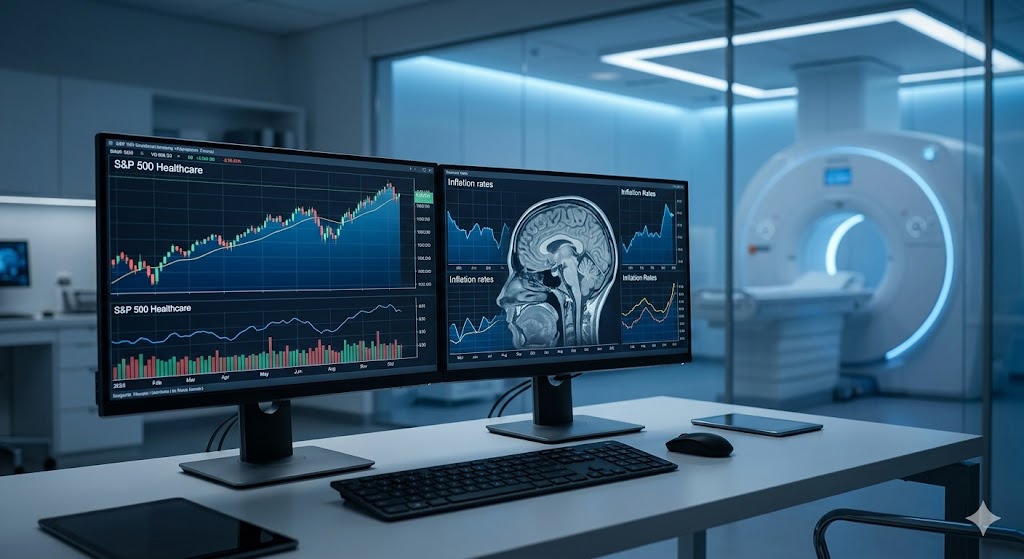
The systemic delays in oncological care are reflective of broader labor market constraints that have intensified in the post-pandemic era. The healthcare sector has faced significant wage-push inflation, as the demand for specialized technicians and nursing staff has far outpaced the current labor supply. This shortage creates a “bottleneck effect” where expensive capital assets, such as CT scanners and MRI machines, sit idle or operate below peak efficiency due to a lack of human capital to manage the patient flow. For investors monitoring the S&P 500 Healthcare sector, these operational inefficiencies are a double-edged sword; while high demand signals robust revenue potential for service providers, the rising cost of labor and the inability to optimize asset utilization can compress profit margins and lead to long-term valuation adjustments.
Market dynamics within the healthcare industry often border on monopolistic competition or, in many geographic regions, outright natural monopolies. When a single hospital system dominates a metropolitan area, the incentive to optimize the “customer experience” or minimize wait times diminishes because the price elasticity of demand for life-saving cancer treatment is virtually zero. Patients cannot easily switch providers when facing a terminal or serious diagnosis, giving healthcare systems little market-driven pressure to improve operational throughput. This lack of competitive pressure leads to what economists call “X-inefficiency,” where firms do not operate at the minimum point of their average cost curve because the threat of losing market share is negligible.
The economic cost of these delays extends beyond the hospital walls, manifesting as a significant loss in aggregate productivity. When a caregiver must take an entire day off work to facilitate a ten-minute scan, the opportunity cost to the broader economy is substantial. If multiplied across millions of patients annually, these systemic delays act as a drag on GDP growth. Furthermore, the psychological and physical toll on patients waiting for critical diagnostic results can lead to poorer health outcomes, which eventually requires more intensive and expensive medical intervention. This creates a feedback loop where inefficiency today leads to higher systemic costs and increased inflationary pressure on healthcare premiums in the future.
Interest rate environments also play a critical role in the availability of diagnostic infrastructure. The acquisition of high-end medical imaging technology is typically financed through debt; as the Federal Reserve maintains elevated interest rates to combat broader economic inflation, the cost of servicing the debt on a multi-million dollar CT scanner increases. Hospitals may respond by slowing their pace of equipment upgrades or by attempting to squeeze more volume out of existing machines, which frequently leads to scheduling overlaps and longer wait times. This relationship between central bank policy and local clinical efficiency underscores the interconnectedness of macroeconomic variables and the microeconomic reality of patient care.
Inflation within the medical services sector often proves stickier than in other areas of the Consumer Price Index (CPI). While energy and food prices may fluctuate with global supply chains, medical inflation is driven by the rising costs of specialized technology, regulatory compliance, and high-skilled labor. When patients complain of a power imbalance, they are observing the reality of “cost-shifting,” where the administrative burdens of insurance billing and regulatory reporting consume an increasing share of a provider’s operational budget. Estimates suggest that for every hour of clinical interaction, several hours of administrative background work are required, a ratio that is fundamentally unsustainable for maintaining efficient patient throughput.
The performance of major healthcare stocks and specialized Real Estate Investment Trusts (REITs) that own medical facilities is increasingly tied to their ability to implement “lean” management principles. Companies that can successfully integrate artificial intelligence and automated scheduling to reduce patient wait times are likely to see superior long-term returns. However, the current reality for many facilities remains one of technological fragmentation. Data silos between different departments mean that a patient’s journey through a hospital is often characterized by redundant paperwork and manual hand-offs, all of which contribute to the two-hour wait that precedes a ten-minute scan. This friction is a clear indicator of a market that has not yet fully realized the benefits of digital transformation.
From a regulatory standpoint, the “Certificate of Need” (CON) laws prevalent in many jurisdictions act as a significant barrier to entry, preventing new competitors from opening diagnostic centers that might alleviate the pressure on major hospitals. By restricting the supply of diagnostic imaging services, these laws inadvertently protect the market share of incumbent institutions, further entrenching the power imbalance mentioned by frustrated families. While intended to prevent the over-proliferation of expensive services, these regulations often result in artificial scarcity, driving up wait times and reducing the incentive for existing providers to invest in a more patient-centric service model.
The “High Value” proposition for future healthcare investment lies in the transition from volume-based care to value-based care. Under a volume-based system, the hospital is reimbursed for the scan regardless of whether the patient waited ten minutes or ten hours. In a value-based model, reimbursement could theoretically be tied to patient outcomes and efficiency metrics, creating a financial incentive to eliminate the “waiting room” phenomenon. Until such a shift occurs, the economic incentives remain misaligned, favoring the maximization of machine usage over the optimization of human time. This misalignment is a primary driver of the dissatisfaction currently felt by those navigating the oncology pipeline.
Furthermore, the impact of delayed diagnostics on “Human Capital” cannot be overstated. When cancer treatment is delayed due to scheduling inefficiencies, the probability of the patient returning to the workforce decreases. This represents a permanent loss of skills and labor from the economy. In an era where many developed nations are facing demographic headwinds and shrinking workforces, the efficiency of the healthcare system becomes a matter of national economic security. A system that keeps its most vulnerable citizens—and their productive caregivers—trapped in waiting rooms is a system that is failing to protect its most valuable economic asset: the people.
The broader market implications for the medical device industry, including major players like GE Healthcare, Siemens Healthineers, and Philips, are also significant. These firms are under increasing pressure to develop “smarter” machines that require less manual calibration and can perform scans faster without compromising image quality. However, the adoption of these innovations is often slowed by the financial constraints of the hospitals themselves. As long as interest rates remain a hurdle for capital expenditures, the aging infrastructure of many community hospitals will continue to be a primary cause of the systemic delays that patients experience daily.
In conclusion, the two-hour wait for a ten-minute CT scan is a micro-economic symptom of a macro-economic malaise. It is the result of labor shortages, high barriers to entry, administrative bloat, and a fundamental misalignment of financial incentives. To rectify this power imbalance, the healthcare industry must move toward a model that prices “time” as a critical variable in the delivery of care. Only through a combination of regulatory reform, technological integration, and a shift in reimbursement structures can the system begin to prioritize the dignity and productivity of the patient over the rigid requirements of institutional bureaucracy. For now, the “waiting room tax” remains a heavy burden on the global economy and a tragic reality for families facing the rigors of cancer treatment.